

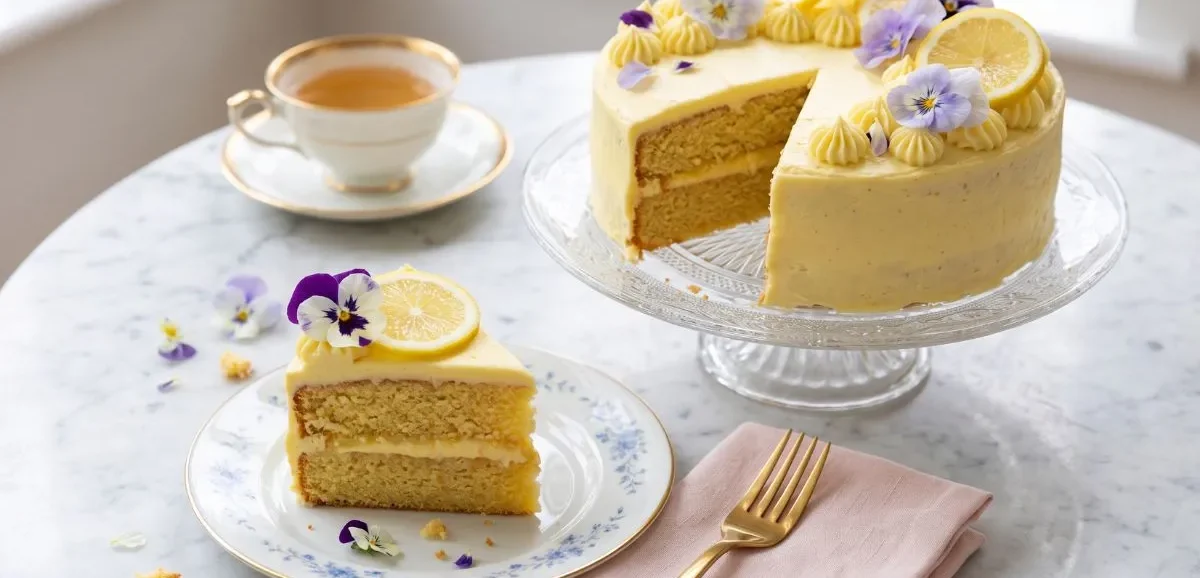
There’s a particular kind of relief in finding a cake recipe that just works — no fussy techniques, no ingredients you have to track down at three different stores, no crossed fingers while you watch the oven timer. That’s what you get with this easy lemon cake recipe. You mix it in one bowl, pour it into one pan, and about thirty-five minutes later your kitchen smells like a lemon grove in the middle of summer.
The batter comes together fast enough for a Tuesday night, but the finished cake looks — and tastes — like something you spent all afternoon on. If you’ve been let down before by “easy” recipes that turn out dry, dense, or barely lemony at all, this one was built to fix that. Real zest, real juice, and a couple of small technique fixes are doing most of the work here, and you’ll have them down after one bake.
You don’t need any advanced baking background to pull this off, either. If you can cream butter and sugar, crack an egg without leaving shell in the bowl, and read a timer, you already have what it takes. That’s really the point of an easy lemon cake recipe — it should give you room to make small mistakes along the way without derailing the whole cake. This one does.
Table of Contents
- Why This Easy Lemon Cake Recipe Works
- What You’ll Need for This Easy Lemon Cake Recipe
- How to Make This Easy Lemon Cake Recipe, Step by Step
- Tips for Getting This Right Every Time
- Simple Variations to Try
- Serving Suggestions
- How to Store Your Lemon Cake
- Nutrition at a Glance (Per Slice, Approximate)
- Final Thoughts
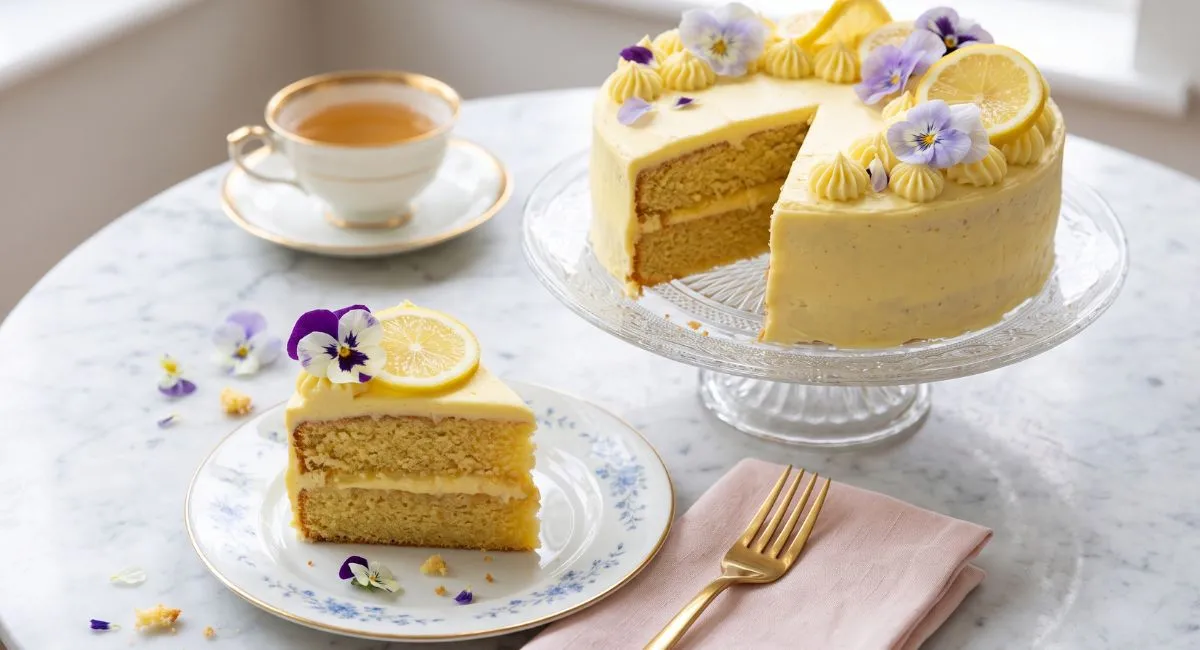
Easy Lemon Cake
Description
A moist one-bowl lemon cake made with butter, buttermilk, fresh lemon zest and juice, finished with a simple lemon glaze.
Ingredients
Cake Ingredients
- 2 1/2 cups all-purpose flour
- 1 1/2 cups granulated sugar
- 1 cup unsalted butter, softened
- 4 large eggs
- 2 tbsp fresh lemon zest
- 1/4 cup fresh lemon juice
- 3/4 cup buttermilk
- 2 1/2 tsp baking powder
- 1/2 tsp salt
- 1 tsp vanilla extract
Lemon Glaze Ingredients
- 1 1/2 cups powdered sugar
- 2-3 tbsp fresh lemon juice
Instructions
- Preheat the oven to 350F (175C). Grease and flour the pan or line with parchment.
- Cream the softened butter and sugar 2 to 3 minutes until pale and fluffy.
- Add the eggs one at a time, beating well after each.
- Mix in the lemon zest, lemon juice and vanilla.
- Whisk together the flour, baking powder and salt.
- Add the dry ingredients in three parts, alternating with the buttermilk, starting and ending with flour.
- Stop mixing as soon as the batter is smooth to keep the crumb tender.
- Pour into the pan and bake 30 to 35 minutes (round) or 45 to 50 (bundt), until a toothpick comes out clean.
- Cool completely on a rack, about an hour. Whisk the powdered sugar and lemon juice until pourable, drizzle over, and set 15 minutes before slicing.
Why This Easy Lemon Cake Recipe Works
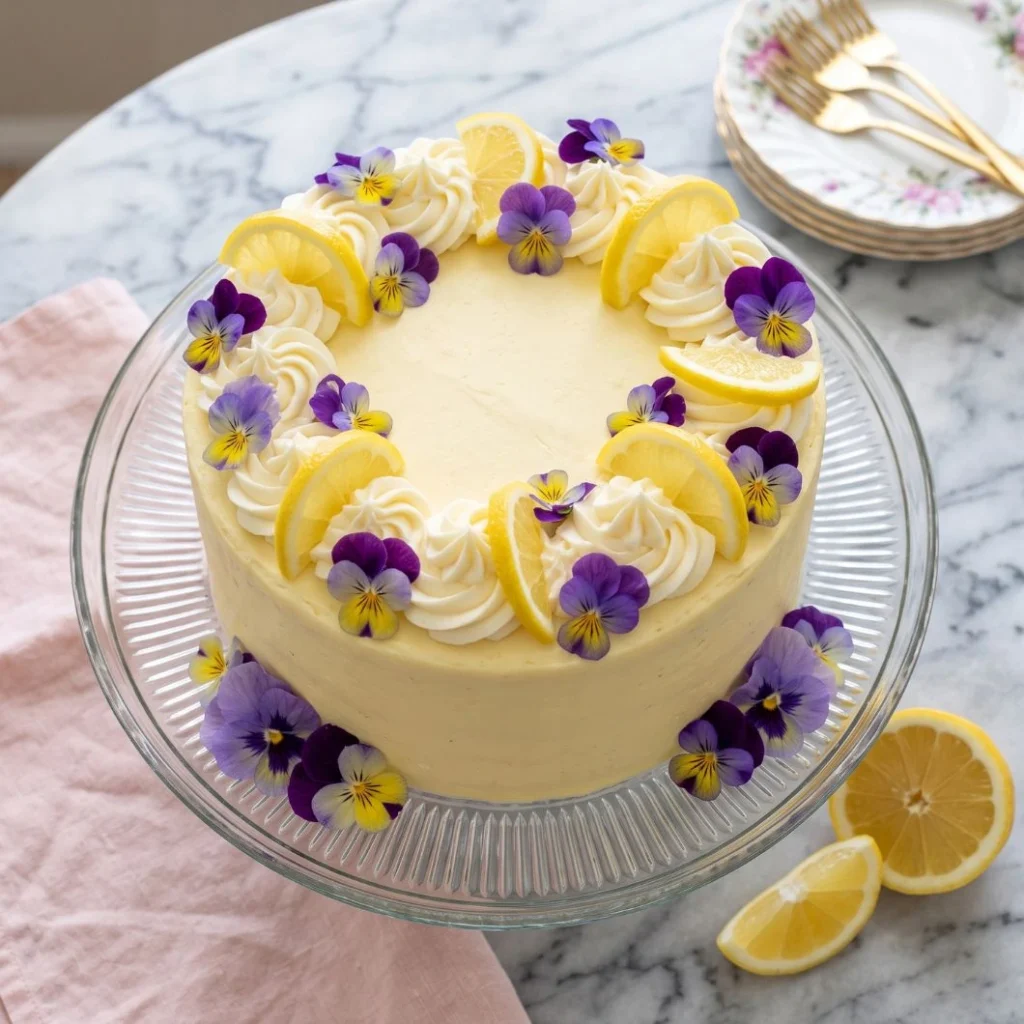
Before you get into the ingredients, it helps to know why this particular version holds up so well compared to other lemon cakes you might have tried:
- It stays moist for days. Buttermilk and a full cup of butter keep the crumb soft instead of crumbly, so you’re not racing to finish it before it dries out.
- The lemon flavor is real, not faint. You’re using both zest and fresh juice, which gives you the fragrant oils from the peel and the sharp acidity from the fruit — extract alone can’t do both.
- You don’t need special equipment. A hand mixer or even a whisk and some elbow grease will get you through this.
- It’s forgiving. Small measuring errors or a slightly overbaked minute won’t ruin it the way they might with a delicate sponge or chiffon cake.
- It works for almost any occasion. Bake it in a round pan for a casual dessert, or dress it up in a bundt pan for something that looks bakery-bought.
Food scientists often point to acidic ingredients like buttermilk and lemon juice as part of what keeps baked goods tender, since the acid interferes with gluten formation — which is part of why this cake stays soft instead of turning tough.
What You’ll Need for This Easy Lemon Cake Recipe
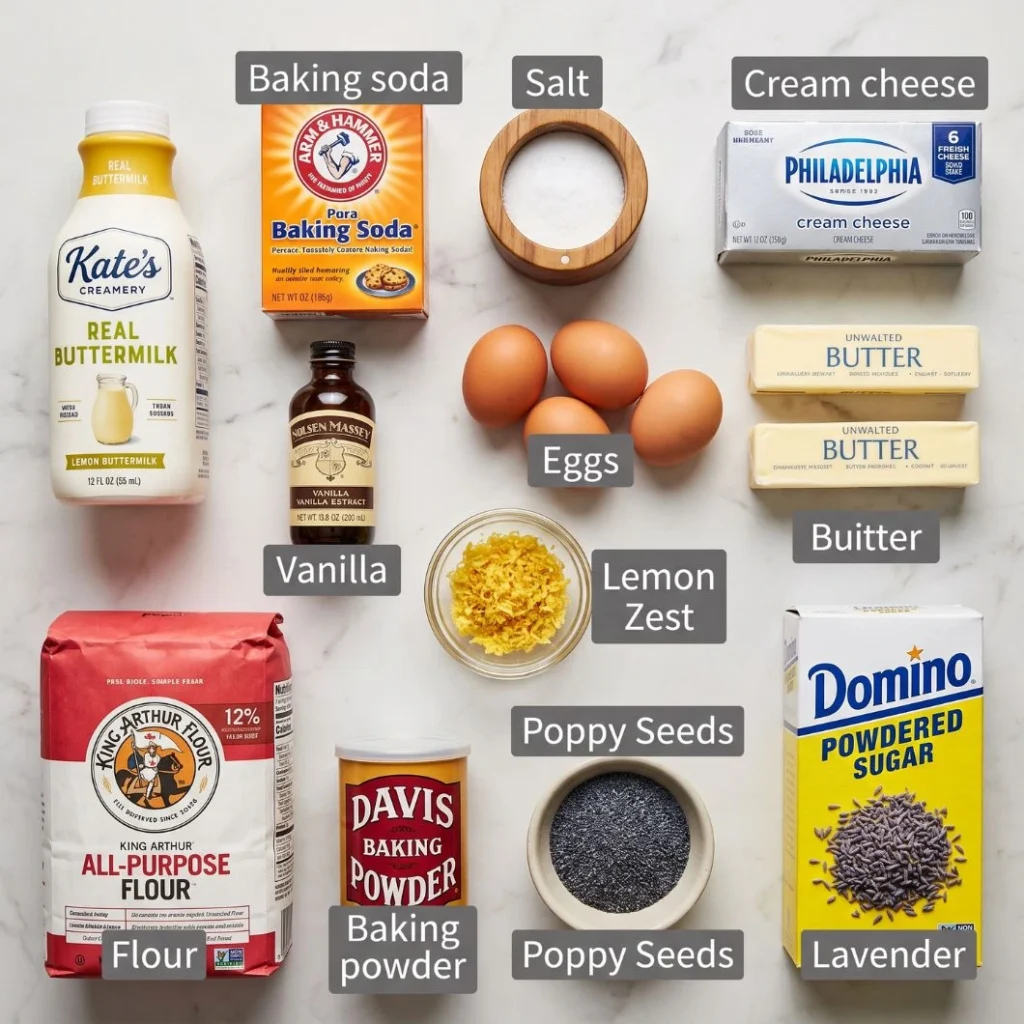
Cake Ingredients
| Ingredient | Amount | Notes |
|---|---|---|
| All-purpose flour | 2 ½ cups | Spoon it into the measuring cup and level it off — don’t scoop directly from the bag |
| Granulated sugar | 1 ½ cups | |
| Unsalted butter | 1 cup, softened | Should give slightly when pressed, not be melty |
| Eggs | 4 large | Room temperature blends more evenly |
| Fresh lemon zest | 2 tablespoons | From about 2 medium lemons |
| Fresh lemon juice | ¼ cup | Bottled juice tastes noticeably flatter |
| Buttermilk | ¾ cup | Adds moisture and a light tang |
| Baking powder | 2 ½ teaspoons | |
| Salt | ½ teaspoon | |
| Vanilla extract | 1 teaspoon |
Lemon Glaze Ingredients
| Ingredient | Amount | Notes |
|---|---|---|
| Powdered sugar | 1 ½ cups | Sifted, if it’s clumpy |
| Fresh lemon juice | 2–3 tablespoons | Add gradually until the glaze coats a spoon |
| Butter (optional, for a frosting instead) | ½ cup, softened | Use if you want a thicker, spreadable topping |
| Cream cheese (optional) | 4 oz | Swap in for a tangier, richer frosting |
No buttermilk on hand? Stir 1 tablespoon of white vinegar or lemon juice into ¾ cup of regular milk and let it sit for five minutes. For a dairy-free version, use a plant-based butter and any non-dairy milk treated the same way. If you need this gluten-free, a 1:1 gluten-free flour blend works in place of the all-purpose flour without changing the method.
Equipment You’ll Want on Hand
- A 9-inch round cake pan or a standard bundt pan
- A hand mixer or stand mixer (a sturdy whisk works too, if you don’t mind the arm workout)
- A zester or microplane
- A wire cooling rack
How to Make This Easy Lemon Cake Recipe, Step by Step
Step 1: Get Your Pan and Oven Ready
Preheat your oven to 350°F (175°C). Grease your pan thoroughly and dust it with flour, tapping out the excess, or line the bottom with parchment paper. This step matters more than it seems — a cake that sticks halfway out of the pan is a hard thing to recover from.
Step 2: Mix the Batter
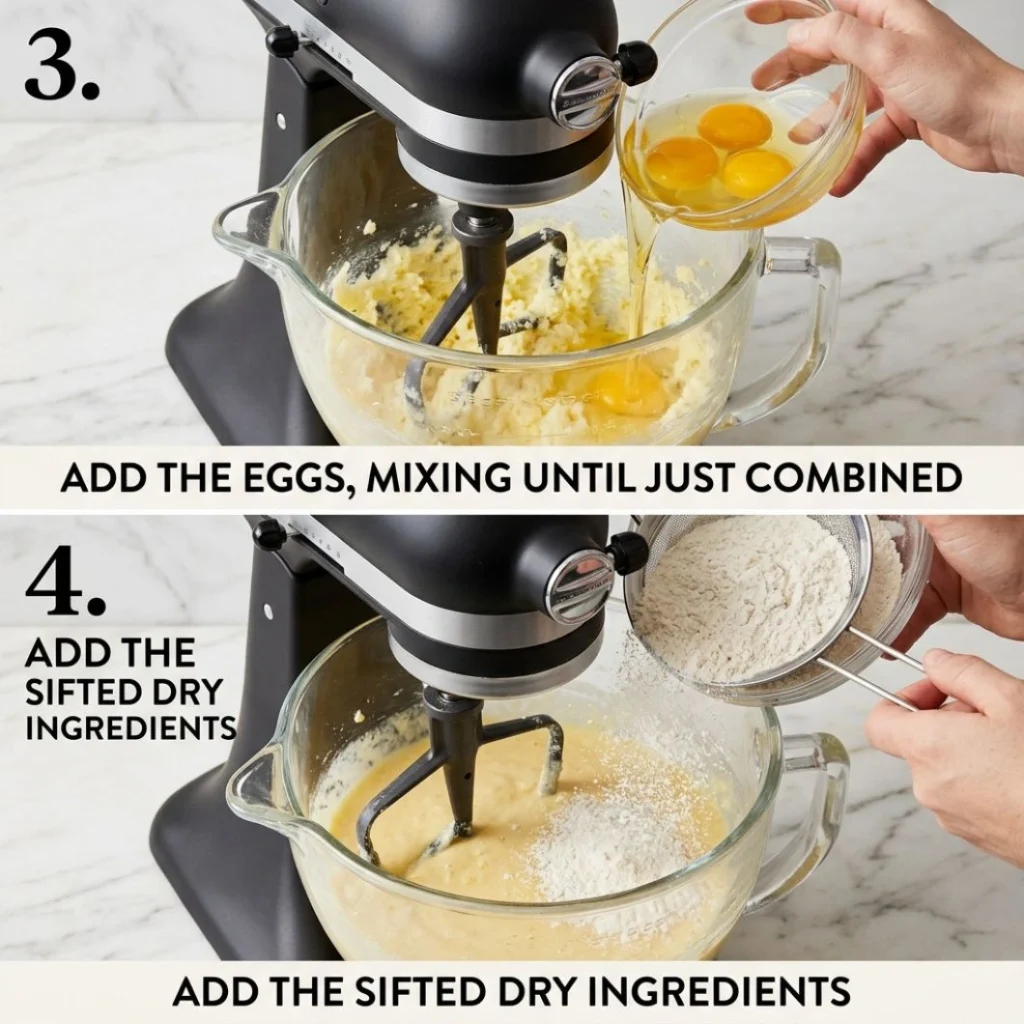
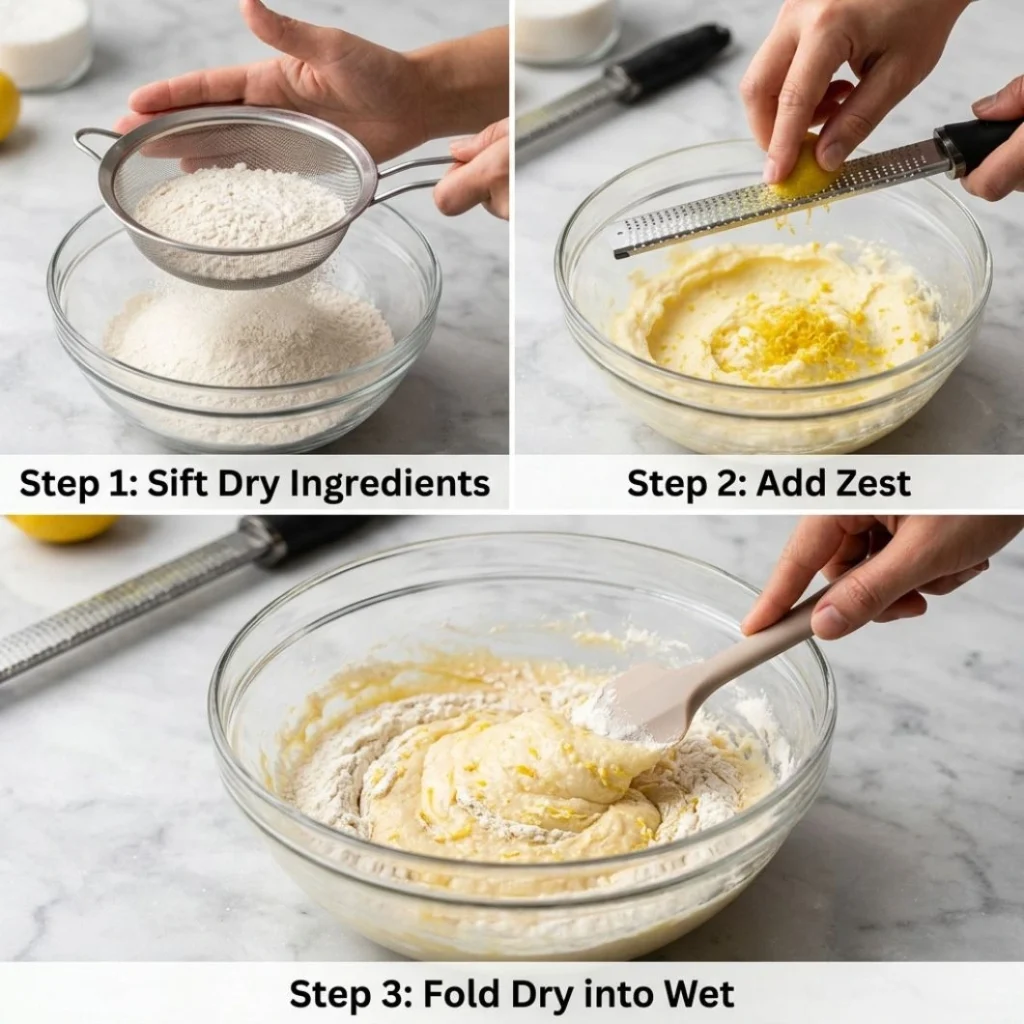
- Cream the softened butter and sugar together for 2–3 minutes, until the mixture turns pale and fluffy. This traps air that helps the cake rise.
- Add the eggs one at a time, beating well after each addition.
- Mix in the lemon zest, lemon juice, and vanilla extract.
- In a separate bowl, whisk together the flour, baking powder, and salt.
- Add the dry ingredients to the batter in three parts, alternating with the buttermilk, starting and ending with the flour mixture.
- Stop mixing as soon as the batter looks smooth. Overmixing at this stage develops the gluten in the flour, which is the fastest way to end up with a dense, rubbery cake instead of a tender one.
Step 3: Bake It
Pour the batter into your prepared pan and smooth the top. Bake for 30–35 minutes for a round pan, or 45–50 minutes for a bundt pan. You’ll know it’s done when a toothpick inserted in the center comes out clean or with just a few moist crumbs, and the top springs back lightly when you touch it. Pull it a minute or two early rather than late — an overbaked lemon cake dries out fast.
Step 4: Glaze or Frost
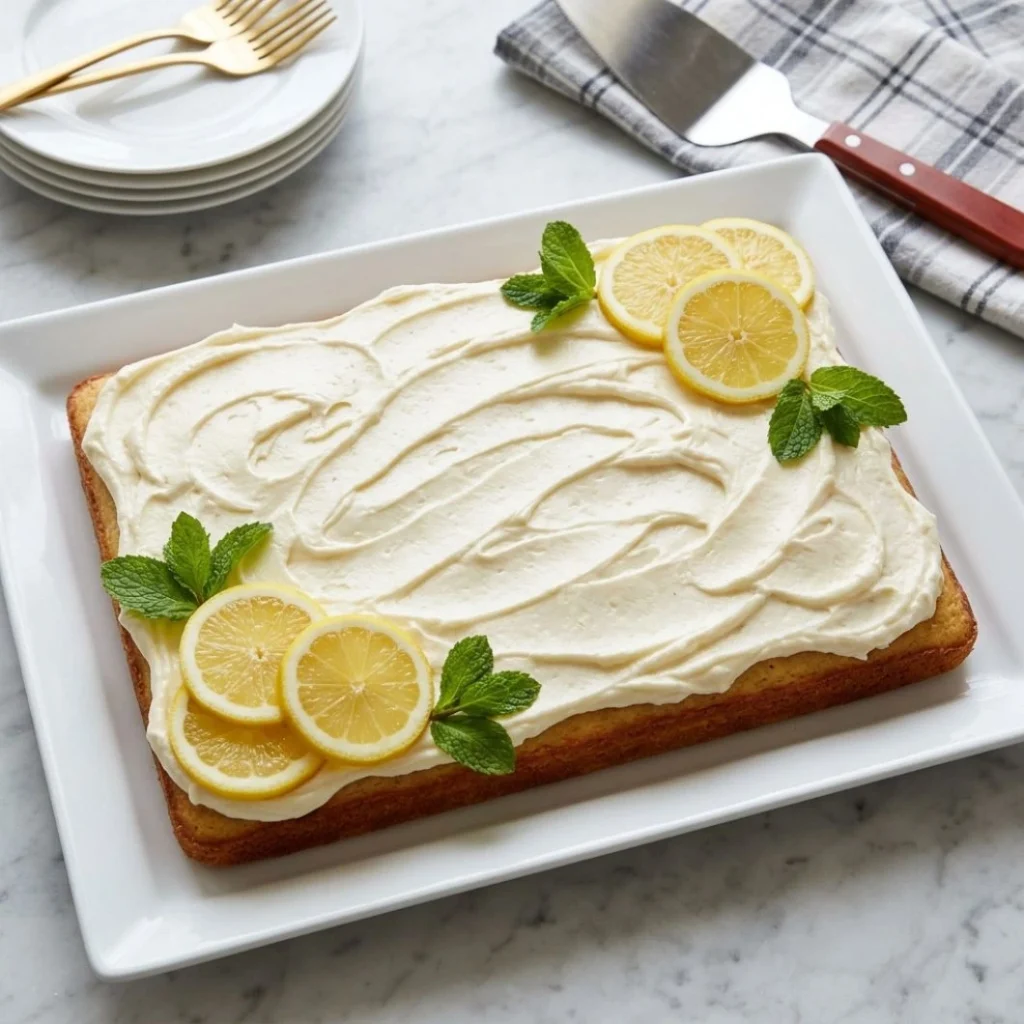
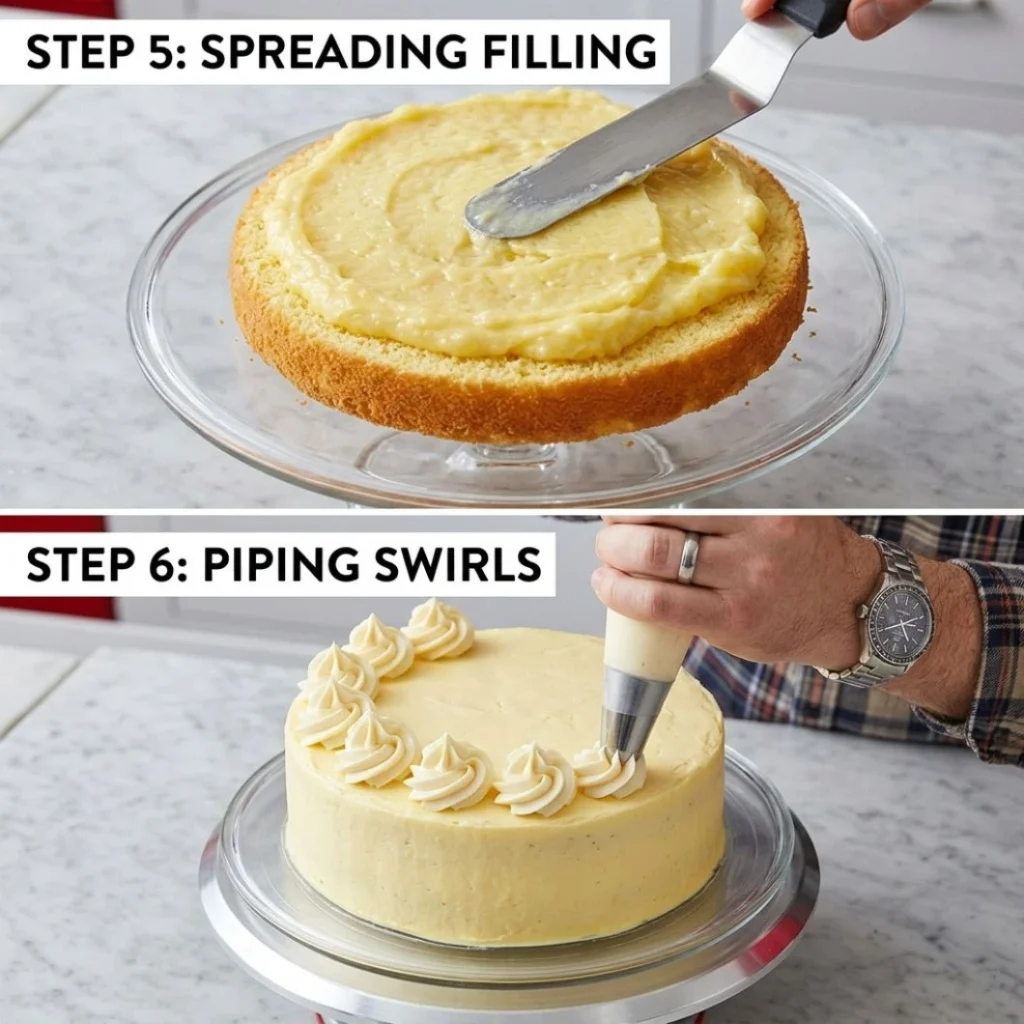
Let the cake cool completely on a wire rack before you add any glaze or frosting — this usually takes about an hour. If you glaze it while it’s still warm, the glaze will simply melt and slide off instead of setting into that glossy, slightly crackled finish you’re after. Whisk the powdered sugar and lemon juice together until it’s pourable but not watery, then drizzle it over the top and let it set for about 15 minutes before slicing.
Tips for Getting This Right Every Time
- Use fresh lemons, not the bottled stuff. Bottled juice is often pasteurized and can taste one-note or slightly bitter next to fresh juice.
- Bring your ingredients to room temperature first. Cold eggs or butter straight from the fridge don’t blend as smoothly, and you can end up with a batter that looks curdled.
- Don’t skip the zest. Most of a lemon’s aromatic oil lives in the peel, not the juice — the zest is doing a lot of the flavor work here.
- Check for doneness a few minutes early. Ovens vary, and a couple of extra minutes can be the difference between moist and dry.
- Let the cake cool fully before glazing. It’s tempting to rush this step, but patience here pays off in presentation.
Simple Variations to Try

Once you’ve got the base recipe down, it’s easy to change things up:
- Lemon Blueberry Cake — Fold 1 cup of fresh blueberries, tossed in a little flour, into the batter before baking.
- Lemon Poppy Seed Cake — Stir in 2 tablespoons of poppy seeds along with the dry ingredients.
- Gluten-Free Lemon Cake — Swap in a 1:1 gluten-free flour blend, no other changes needed.
- Vegan Lemon Cake — Use flax eggs, plant-based butter, and a non-dairy buttermilk substitute.
- Lemon Bundt Cake — Bake the same batter in a bundt pan for a more formal presentation, and skip straight to a drizzled glaze instead of frosting.
Serving Suggestions
This cake doesn’t need much dressing up, but a few small additions can change how it feels depending on the occasion:
- For an everyday dessert, serve a slice as-is with a cup of tea or coffee — the glaze alone is enough sweetness.
- For a warmer-weather gathering, add a small scoop of vanilla ice cream or a spoonful of lightly sweetened whipped cream on the side.
- For a spring or summer table, top each slice with fresh berries or a few thin lemon slices for color.
- For a birthday or celebration, bake it in a bundt pan and finish it with a thicker glaze so it holds its shape as a centerpiece.
None of these are required — the cake stands on its own — but they’re easy ways to match it to whatever you’re serving it for.
How to Store Your Lemon Cake
| Storage Method | How Long It Lasts |
|---|---|
| Room temperature, in an airtight container | 2–3 days |
| Refrigerated, covered | Up to 1 week |
| Frozen, unglazed | Up to 3 months |
Freezing and making ahead: Wrap the unfrosted cake layers tightly in plastic wrap, then foil, before freezing. Thaw them at room temperature and add the glaze after — glazing before freezing tends to leave you with a soggy, uneven finish once it thaws.
Nutrition at a Glance (Per Slice, Approximate)
| Nutrient | Amount |
|---|---|
| Calories | ~320 |
| Carbohydrates | 45g |
| Fat | 14g |
| Sugar | 30g |
| Protein | 4g |
These numbers are estimates based on a standard 12-slice cut and will shift depending on your exact ingredients and portion size, so treat them as a general guide rather than an exact count.
Frequently Asked Questions About This Easy Lemon Cake Recipe
What makes this easy lemon cake recipe so moist?
The combination of buttermilk, softened butter, and fresh lemon juice keeps the crumb tender. The acidity in the buttermilk and juice also softens the gluten strands in the flour, which is part of what gives you that soft texture instead of a tough one.
Can I make this lemon cake ahead of time?
Yes. You can bake the cake up to two days ahead and store it, unglazed, in an airtight container at room temperature. Add the glaze right before serving so it stays glossy instead of soaking into the cake.
What’s the difference between this and a lemon pound cake?
A pound cake is denser and uses a higher ratio of butter and eggs to flour, which gives it a heavier, richer crumb. This easy lemon cake recipe is lighter and fluffier, closer to a classic layer cake in texture.
Can I use bottled lemon juice instead of fresh?
You can in a pinch, but the flavor won’t be as bright, and you’ll lose the zest entirely unless you buy a lemon just for that. Fresh lemons are worth it here.
Why did my glaze slide off the cake?
This almost always means the cake wasn’t fully cooled before glazing. Give it a full hour on a wire rack, and the glaze should set instead of running off the sides.
Can this recipe be made gluten-free or vegan?
Yes — swap in a 1:1 gluten-free flour blend for a gluten-free version, or use flax eggs and plant-based butter and buttermilk for a vegan one. Both swaps work with the same method described above.
Why is my easy lemon cake recipe dense instead of fluffy?
This usually comes down to one of two things: the butter and sugar weren’t creamed long enough at the start, or the batter was overmixed once the flour went in. Give the creaming step the full 2–3 minutes, and stop mixing as soon as the flour disappears into the batter.
Final Thoughts
A good lemon cake has a way of turning an ordinary afternoon into something worth remembering — the smell alone tends to pull people into the kitchen before it’s even out of the oven. This easy lemon cake recipe is meant to get you there without a long ingredient list or a complicated method standing in the way.
Give it a try this week, and once you’ve baked it, come back and let others know how it turned out — a star rating, a comment about a swap you tried, or a photo of your slice all help the next person decide to bake it too. And if this one becomes a regular in your kitchen, you might like trying a blueberry or poppy seed version next.