

There’s a specific smell that pulls people back to their grandmother’s kitchen faster than any photograph could toasted pecans hitting a hot pan, coconut turning golden at the edges, sugar and butter bubbling together into something you can’t quite name until it’s done. If you grew up around a German chocolate cake, you already know that smell. And if you’re honest with yourself, you probably skip straight to the frosting layer when nobody’s looking.
That’s the thing about german chocolate cake frosting: it’s not really an accessory to the cake. For a lot of people, it is the cake. The chocolate layers underneath are just the delivery system for that thick, gooey nutty coconut pecan filling that gets better the longer it sits.
Maybe it was a birthday, maybe it was just a Sunday when someone decided the house needed baking in it. Either way, if you’ve had the real thing, you know it doesn’t taste anything like what comes in a plastic tub from the grocery store. Store bought versions lean too sweet and skip the toasting step entirely, which is exactly why homemade always wins.
This guide walks you through exactly how to make it from scratch, why it turns out gritty or runny when it goes wrong, and how to fix it when it does. No shortcuts, no canned frosting substitutes just the real, cooked version your family will ask for by name.
Table of Contents
- What Is German Chocolate Cake Frosting? (And Why It’s Not Actually German)
- Key Ingredients for German Chocolate Cake Frosting
- How to Make German Chocolate Cake Frosting (Step by Step)
- Pro Tips for Perfect Frosting Every Time
- Variations on Classic German Chocolate Frosting
- How to Store German Chocolate Cake Frosting
- Serving Suggestions & Pairing Ideas
- Nutritional Information (Approximate, Per Serving)
German Chocolate Cake Frosting
Description
A cooked coconut-pecan custard frosting of egg yolks, evaporated milk, sugar and butter, finished with toasted coconut and pecans.
Ingredients
Instructions
- Toast the coconut and pecans separately in a dry skillet over medium heat until golden and fragrant. Set aside.
- Combine the egg yolks, evaporated milk, sugar and butter in a saucepan over medium heat.
- Cook, stirring constantly, 10 to 12 minutes, until thick enough to coat the back of a spoon.
- Remove from heat and stir in the vanilla and salt.
- Fold in the toasted coconut and pecans until evenly distributed.
- Cool to room temperature before spreading on your cake.
What Is German Chocolate Cake Frosting? (And Why It’s Not Actually German)
Here’s something that surprises a lot of home bakers: this frosting has nothing to do with Germany. You’re not making a European dessert with a passport you’re making an American recipe named after a person.
Unlike buttercream, which you whip together cold german chocolate cake frosting is a cooked custard. You heat egg yolks, butter sugar and evaporated milk together on the stove until the mixture thickens into something closer to caramel sauce, then fold in toasted coconut and pecans while it’s still warm. That cooking step is what gives it that deep, almost butterscotch like flavor you won’t get from a powdered sugar glaze.
Why It’s Called German Chocolate Cake
The name traces back to Samuel German, a baker who developed a dark baking chocolate for the Baker’s Chocolate Company back in 1852. The chocolate was marketed as “German’s Sweet Chocolate,” with his name attached to the product itself. Over a century later, in 1957 a recipe using that exact chocolate ran in a Dallas newspaper under the name “German’s Chocolate Cake.” Home cooks across the country made it, the possessive “s” quietly dropped off over time, and the cake became known simply as German chocolate cake a name that stuck even though it describes a chocolate brand, not a country.
Key Ingredients for German Chocolate Cake Frosting

You don’t need anything exotic here just a handful of pantry staples used the right way. Each ingredient earns its spot:
- Egg yolks thicken the frosting into a custard base and give it that rich, almost caramel color.
- Evaporated milk adds creaminess without the risk of curdling that regular milk or cream can bring to a cooked frosting.
- Butter rounds out the flavor and gives the finished frosting its glossy body.
- Coconut and pecans provide the texture and nuttiness that make this frosting instantly recognizable.
A quick note before you start shopping: reach for evaporated milk, not sweetened condensed milk. They look similar on the shelf, but condensed milk is already loaded with sugar and will throw off the whole balance of the recipe.
Ingredients Table
| Ingredient | Amount | Notes |
|---|---|---|
| Egg yolks | 3 large | Bring to room temperature so they blend smoothly and don’t scramble on contact with heat |
| Evaporated milk | 1 cup | Not condensed milk this distinction matters |
| Granulated sugar | 1 cup | |
| Unsalted butter | ½ cup (1 stick) | Cubed and softened for faster melting |
| Vanilla extract | 1 tsp | Stir in after cooking, off the heat |
| Sweetened shredded coconut | 1⅓ cups | Toast it first for a deeper, nuttier flavor |
| Chopped pecans | 1 cup | Toasted |
| Salt | ¼ tsp | Balances the sweetness so the frosting doesn’t taste flat |
Substitutions & Dietary Swaps
Cooking for someone with dietary restrictions, or just out of an ingredient? You’ve got options:
- Dairy-free: Swap the evaporated milk for full-fat coconut cream and use a plant-based butter.
- Nut-free: Leave the pecans out entirely and add a bit more toasted coconut to keep the texture, or try sunflower seeds for crunch.
- Egg-free/vegan: Replace the yolks with a cornstarch slurry (about 2 tablespoons cornstarch whisked into a splash of the milk) to help the mixture thicken without eggs.
How to Make German Chocolate Cake Frosting (Step by Step)
This isn’t a difficult recipe, but it does ask for your attention. You’re making a custard, and custards punish distraction walk away for two minutes and you’ll come back to scrambled eggs instead of silky frosting.
Equipment Needed
- A medium heavy bottomed saucepan (this helps prevent scorching)
- A whisk
- A wooden spoon or heatproof spatula
- A dry skillet for toasting coconut and pecans
- An instant read or candy thermometer (optional, but helpful if you’re new to cooked frostings)
Step by Step Instructions
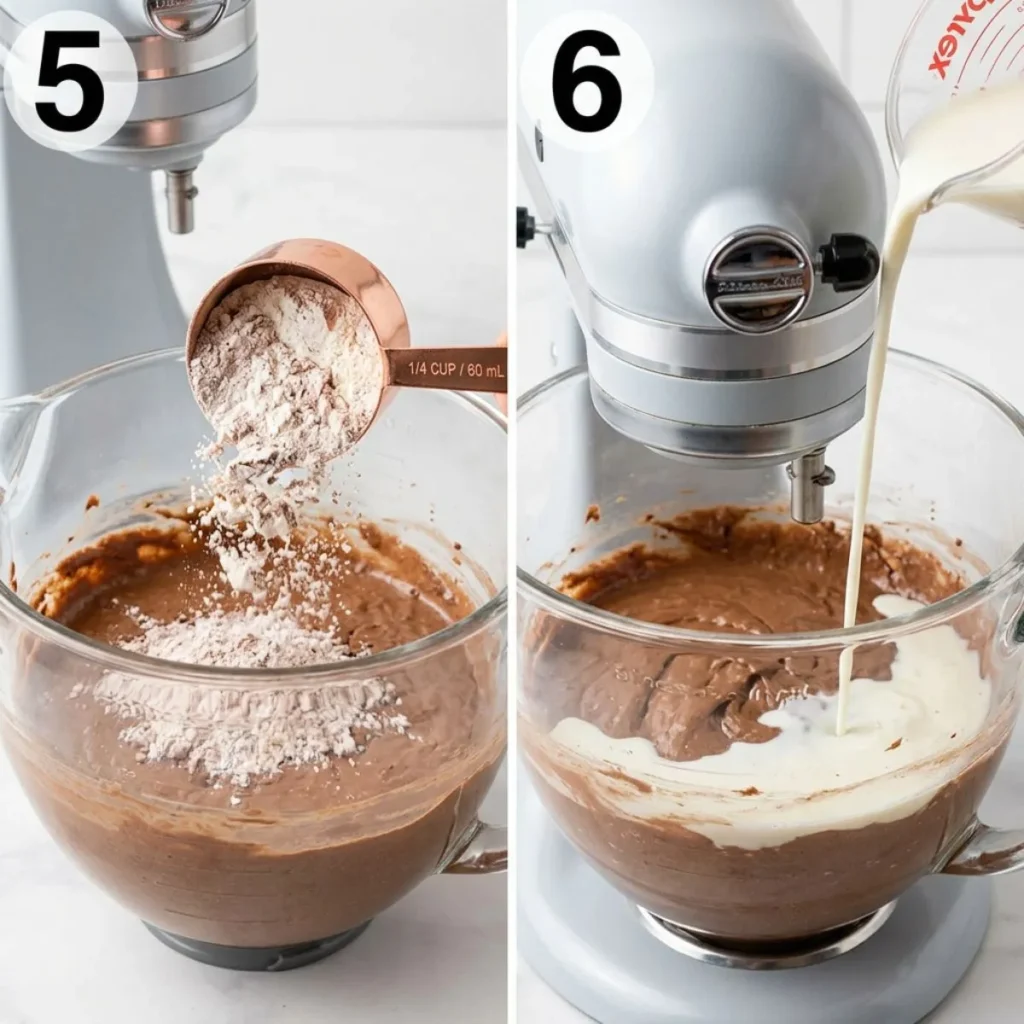
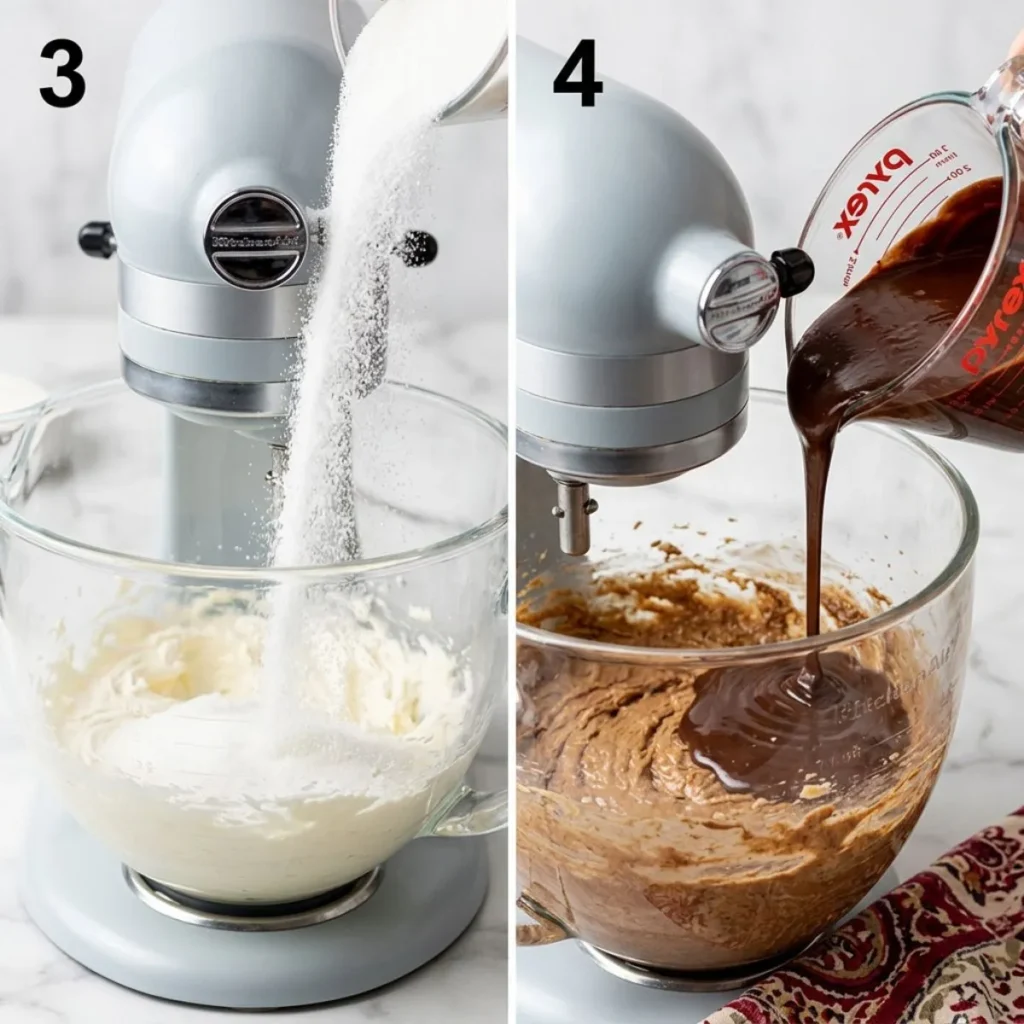
- Toast your coconut and pecans separately in a dry skillet over medium heat, stirring often until they turn golden and fragrant. Set them aside this step alone makes a noticeable difference in flavor.
- Combine the egg yolks, evaporated milk, sugar, and butter in your saucepan and set it over medium heat.
- Cook, stirring constantly, for 10 to 12 minutes. You’re waiting for the mixture to thicken enough to coat the back of a spoon, roughly the texture of a loose caramel sauce.
- Remove the pan from heat and stir in the vanilla and salt.
- Fold in the toasted coconut and pecans, making sure everything is evenly distributed through the custard base.
- Let it cool to room temperature before spreading it on your cake. Warm frosting will slide right off the layers, so patience matters here.
Doneness Test Tip
Not sure if it’s ready to come off the heat? Run your finger down the back of the coated spoon if it leaves a clean line that doesn’t immediately fill back in, you’re done. On a thermometer, you’re generally looking for somewhere between 160°F and 185°F.
Pro Tips for Perfect Frosting Every Time
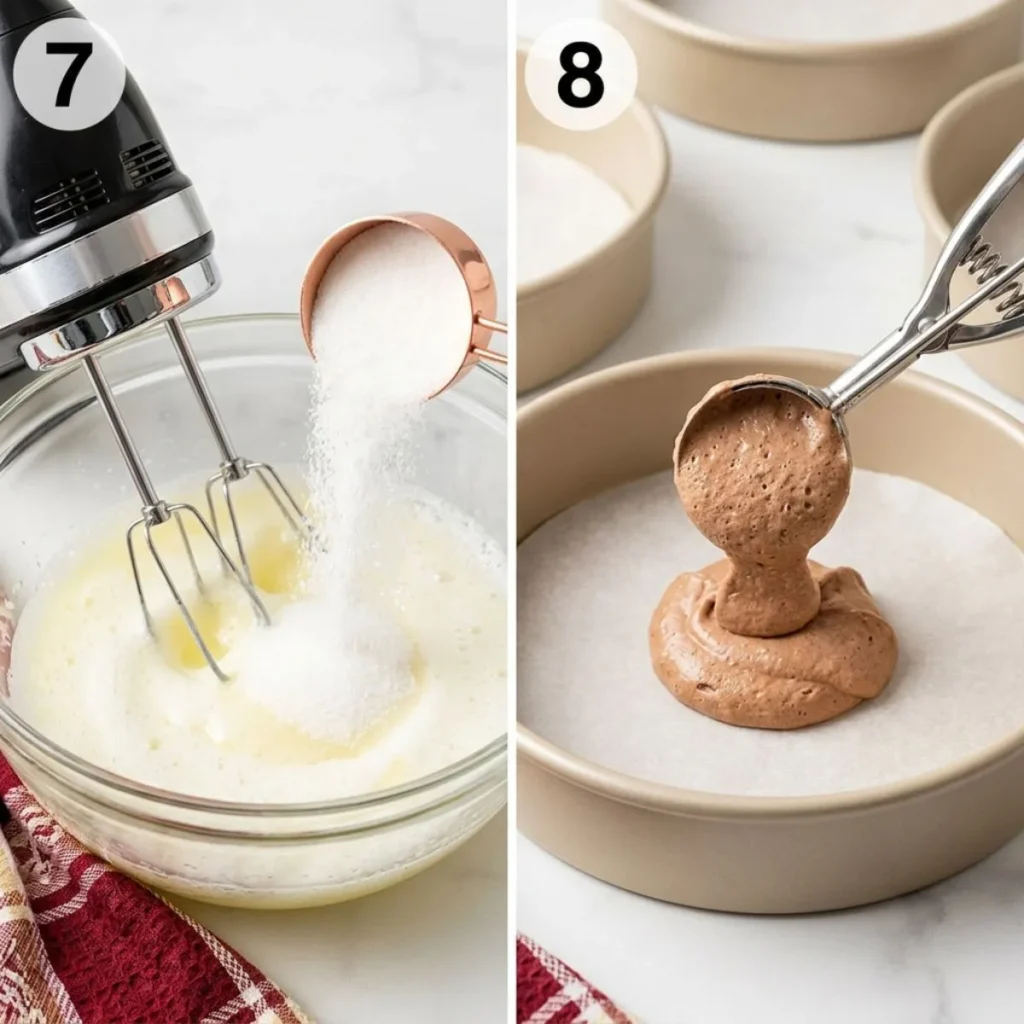
A few habits separate a smooth, glossy batch from a grainy, disappointing one:
- Stir constantly while the custard cooks. Stepping away, even briefly is the most common reason people end up with scrambled bits in their frosting.
- Toast your coconut and pecans before folding them in, not after. Raw coconut and pecans taste flat next to the deep, cooked flavor of the custard base.
- Give it time to cool fully. Rushing this step is tempting when you’re excited to frost your cake, but warm frosting simply won’t hold its shape between layers.
Troubleshooting
Even experienced bakers run into hiccups with this one. Here’s how to fix the most common ones:
- Frosting turned out too thin: Return it to low heat for another minute or two, stirring the whole time until it thickens further.
- Frosting turned out too thick: Stir in warm evaporated milk one tablespoon at a time until it loosens to a spreadable consistency.
- Frosting looks grainy: This usually means the eggs overheated. Strain the mixture through a fine mesh sieve and whisk vigorously to smooth it back out.
Common Mistakes to Avoid
A few small missteps account for most of the frustration people run into with this recipe:
- Using high heat to speed things up. Cooked custards need low, patient heat. Cranking the burner up just gets you scrambled eggs faster, not thicker frosting faster.
- Skipping the toasting step. Raw coconut and pecans have a completely different flavor profile pale and a little bland compared to their toasted counterparts.
- Spreading it too soon. Warm frosting looks deceptively ready, but it needs to cool and firm up before it will hold between cake layers instead of pooling at the base.
Variations on Classic German Chocolate Frosting

Once you’ve got the base method down, it’s easy to riff on it:
- Chocolate coconut pecan frosting: Whisk a couple tablespoons of cocoa powder into the custard base for a chocolatier twist.
- Vegan german chocolate frosting: Use the dairy free and egg free swaps mentioned earlier for a version everyone at the table can enjoy.
- Boozy version: A splash of bourbon or dark rum stirred in with the vanilla adds warmth and depth, especially nice for a holiday cake.
- Extra nutty version: Double the pecans, or mix in a handful of chopped walnuts for more crunch.
How to Store German Chocolate Cake Frosting
Because this frosting is built on a cooked egg base, storing it properly isn’t just about texture it’s about food safety too.
Storage Table
| Method | Duration | Notes |
|---|---|---|
| Room temperature | Up to 2 hours | Don’t leave it out longer than this since it contains cooked egg yolk |
| Refrigerated | 5–7 days | Store in an airtight container |
| Frozen | 2–3 months | Thaw overnight in the refrigerator before using |
If you’re making this ahead for a birthday or holiday, the frosting actually holds up well in the fridge, which makes it a great do ahead component of a bigger baking project.
Serving Suggestions & Pairing Ideas
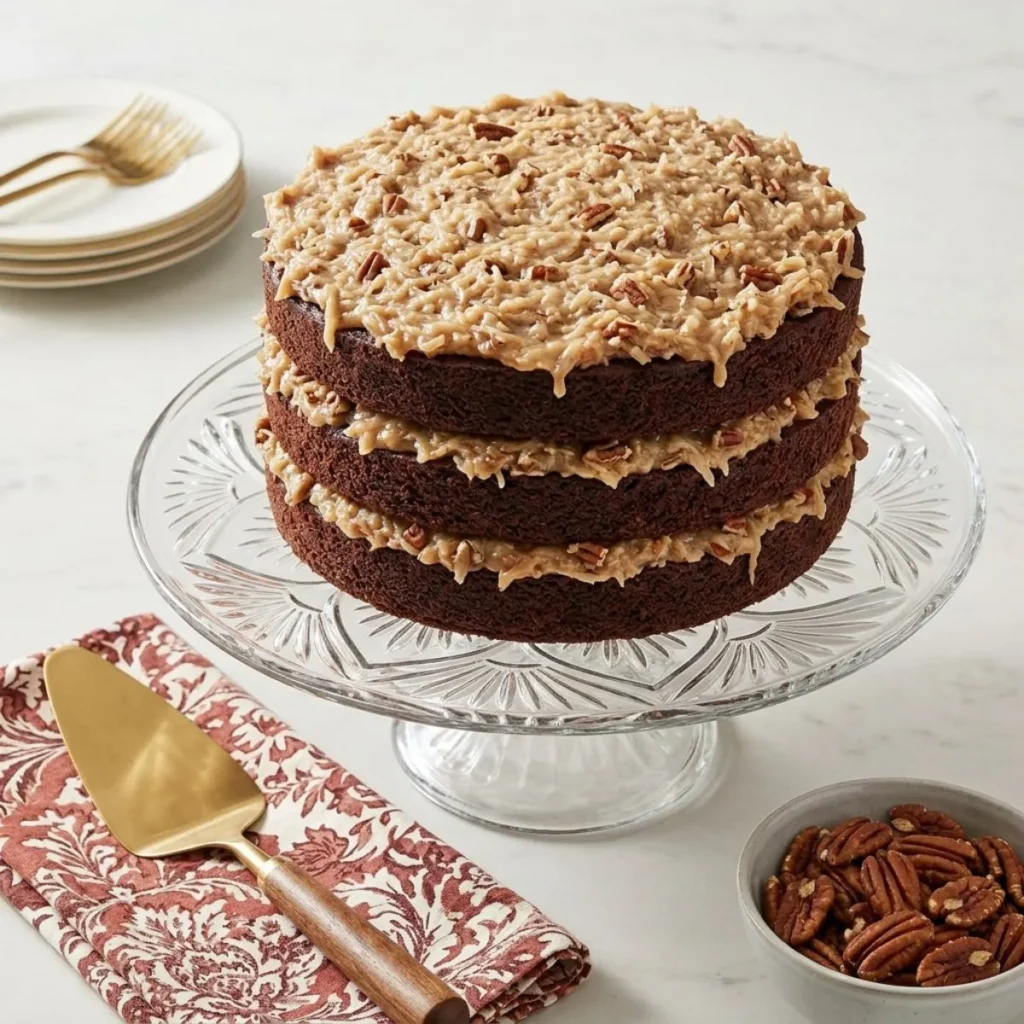
While the classic pairing is between layers of chocolate cake, don’t feel boxed in. This frosting works well:
- Spread between layers of a full german chocolate cake
- Piled on top of chocolate or vanilla cupcakes
- Swirled over fudgy brownies
- Warmed slightly and spooned over vanilla ice cream
- Sandwiched between graham crackers for a fast, no bake treat
If you’re building a full cake, most bakers spread this frosting only between the layers and on top, leaving the sides of the cake bare so the chocolate layers show through. It’s a small detail, but it’s part of what makes german chocolate cake instantly recognizable on a dessert table.
Nutritional Information (Approximate, Per Serving)
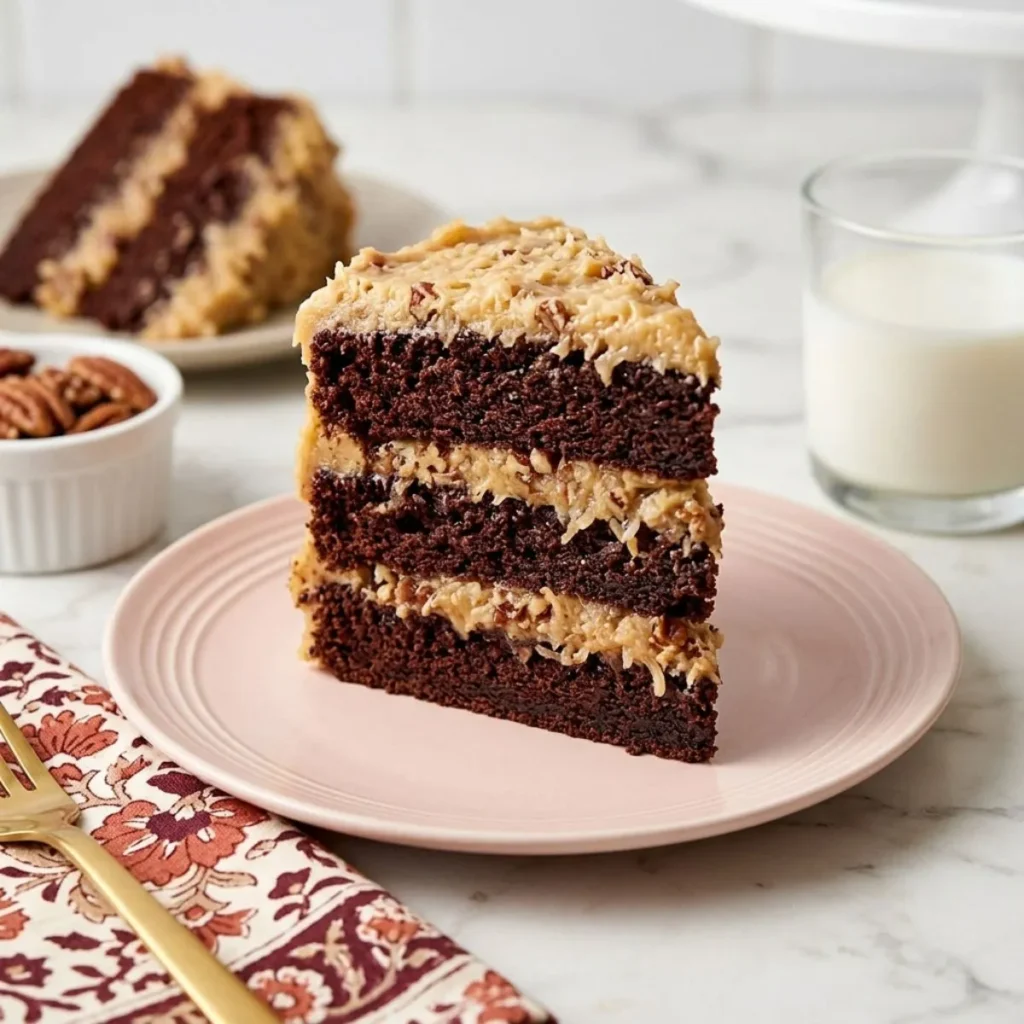
These numbers are estimates based on a standard 2-tablespoon serving and will shift depending on the exact brands and quantities you use. For precise figures tailored to your recipe, run your ingredients through a nutrition calculator.
| Nutrient | Approximate Amount |
|---|---|
| Calories | 190–230 |
| Total Fat | 12–15g |
| Saturated Fat | 6–8g |
| Carbohydrates | 18–22g |
| Sugar | 15–18g |
| Protein | 2–3g |
Frequently Asked Questions About German Chocolate Cake Frosting
What is German chocolate cake frosting made of? It’s built from a cooked custard base of egg yolks, evaporated milk, sugar, and butter, then finished with toasted coconut and pecans. That combination is what gives it the classic coconut pecan texture and caramel like flavor.
Can I make German chocolate cake frosting ahead of time? Yes. In fact, making it a day ahead often improves the texture, since the flavors have time to settle. Just store it in the refrigerator in an airtight container and bring it closer to room temperature before spreading.
Why is my German chocolate cake frosting runny? Most likely it didn’t cook long enough on the stove. Return it to low heat and keep stirring until it thickens further, or check that you measured your liquid ingredients correctly.
Can I use German chocolate cake frosting on other desserts? Absolutely. It’s a great topping for brownies, cupcakes and even ice cream, not just the traditional layer cake.
Is German chocolate cake frosting the same as coconut pecan frosting? They’re essentially the same thing. “Coconut pecan frosting” describes the ingredients, while “german chocolate cake frosting” refers to its most common use but you’ll find the two terms used interchangeably in most recipes.
Can I freeze German chocolate cake frosting? Yes, it freezes well for up to 2–3 months. Thaw it in the refrigerator overnight and give it a good stir before using, since the texture can separate slightly during freezing.
Conclusion
Good frosting isn’t just something you spread on a cake it’s the part people remember years later, the flavor that pulls them straight back to a specific kitchen table. Once you’ve made german chocolate cake frosting from scratch, it’s hard to go back to anything from a tub. The process takes a bit of patience at the stove, but the payoff is a frosting that’s rich, nutty, and exactly as gooey as it should be.
Give this recipe a try the next time you’re baking for someone who matters to you, and don’t be surprised if it becomes the thing they request by name every year after. If you make it, come back and let us know how it turned out, share a photo of your finished cake, or leave a comment with any tweaks you made your version might help the next person troubleshoot theirs.